
The New ISO Standards for Circular Economy and Climate Change
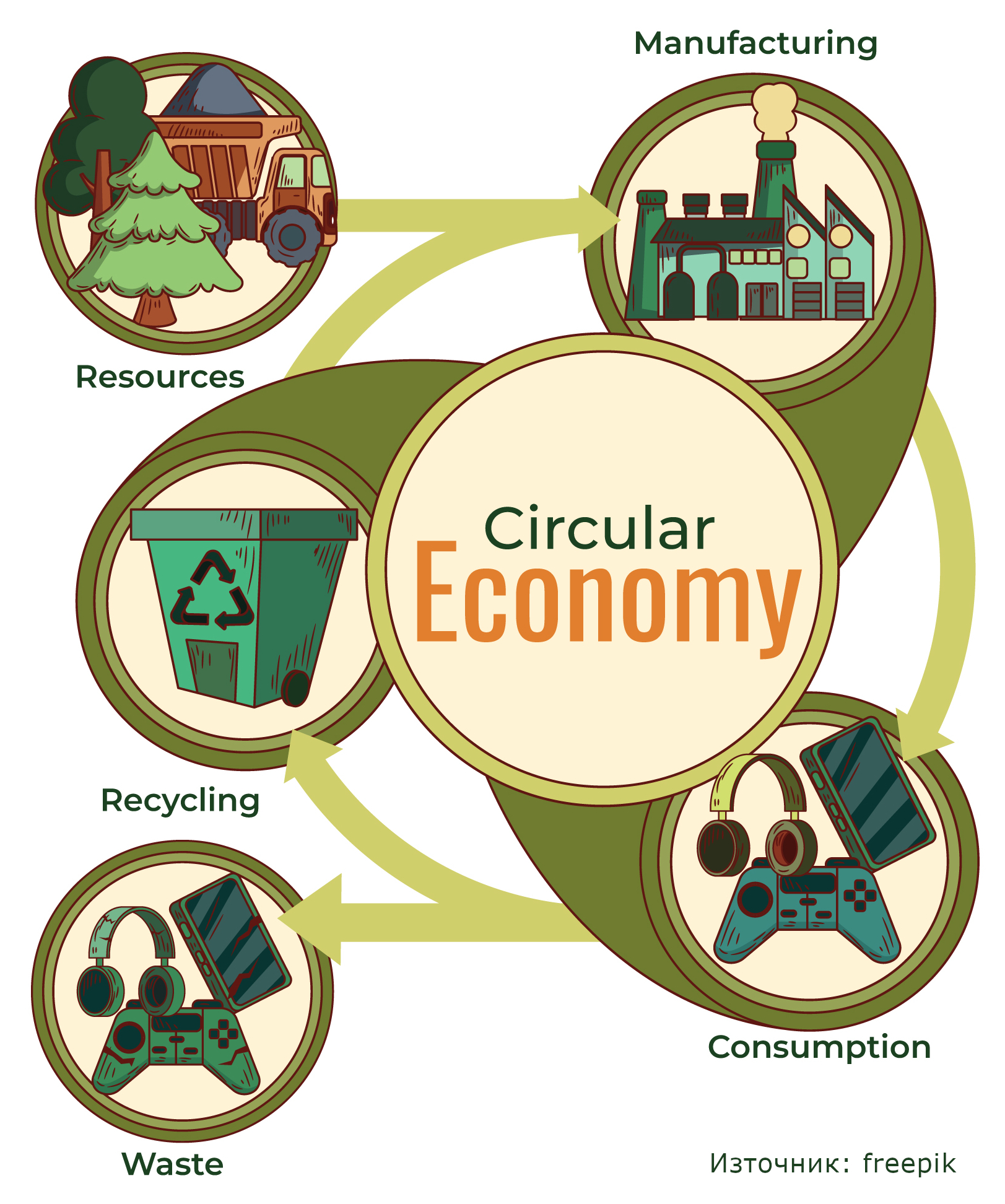 In today’s world, sustainable development and responsible resource use are key priorities for businesses and society. The circular economy and climate change are interconnected challenges that require a global approach and standardized solutions. In response to these needs, the International Organization for Standardization (ISO) is developing new standards to help organizations transition to sustainable business models.
The Circular Economy – A New Approach to Resource Efficiency
The circular economy is based on the principles of waste reduction, material reuse, and recycling. Unlike the traditional linear model of production and consumption – where resources are extracted, used, and discarded – the circular economy creates closed loops in which materials and products retain their value for as long as possible. This not only reduces environmental impact but also optimizes corporate costs.
New ISO Standards for the Circular Economy
ISO is introducing a series of standards that provide a framework for implementing the circular economy across different industrial sectors:
- ISO 59004 – Defines the core principles and provides guidance on applying the circular economy. It focuses on reducing resource dependency, extending product life cycles, and efficiently managing materials.
- ISO 59004 – Defines the core principles and provides guidance on applying the circular economy. It focuses on reducing resource dependency, extending product life cycles, and efficiently managing materials.
- ISO 59010 – Offers practical guidelines for developing and implementing business models that support the circular economy. The standard includes examples of sustainable strategies such as the sharing economy, reuse, and recycling.
- ISO 59020 – Establishes a framework for measuring and assessing the effectiveness of circular processes. The standard provides indicators for resource efficiency, waste reduction, and carbon footprint, allowing comparison across industries and regions.
- ISO 59040 – A new standard that provides detailed guidelines for implementing the circular economy in complex industrial systems. It emphasizes waste management, sustainable supply chains, and strategies for reducing environmental impact
 The Connection Between the Circular Economy and Climate Change
Climate change is one of the greatest global challenges, and the circular economy plays a key role in mitigating its effects. Reducing the use of primary raw materials and promoting recycling lead to lower greenhouse gas emissions. Efficient resource management also contributes to sustainable production chains and reduced dependence on finite materials. These approaches align with global sustainability goals outlined in the Paris Agreement and other international initiatives.
How Can Organizations Implement the New ISO Standards?
To successfully apply these standards, organizations should take the following steps:
2. Adapt the Business Model – Integrate circular strategies to reduce waste and optimize material use.
3. Implement Monitoring Mechanisms – Use ISO 59020 to measure sustainability and evaluate results.
4. Train Employees – Ensure knowledge and engagement of all stakeholders in the transition process.
5. Integrate with Other ISO Standards – Combine with ISO 14001 for environmental management to achieve a more comprehensive approach to sustainability.
A Strategic Business Advantage
The implementation of circular economy standards is not just a regulatory requirement – it is a competitive advantage. Organizations that adopt sustainable practices not only improve their environmental footprint but also reduce costs, increase efficiency, and strengthen their market positions. Customers and partners are increasingly demanding environmentally responsible solutions, making sustainable business models a key factor for long-term success.
CONSEJO provides consulting and support to businesses in adapting to the new ISO standards for the circular economy and climate change. With our expertise, you can implement best practices, improve efficiency, and contribute to sustainability. Contact us to discuss how we can assist you in this important transformation.
Implementation of management standards
CONSEJO Ltd. is a consulting company with over 20 years of practical experience in the development, implementation and maintenance of management systems in accordance with international standards and regulatory requirements. The company provides consulting services in the areas of quality management, environmental management, occupational health and safety, food safety, information security, cybersecurity, risk management and sustainable development. Our expertise covers standards and schemes such as ISO 9001, ISO 14001, ISO 45001, ISO 22000, ISO/IEC 27001, IFS Food, BRCGS and HACCP, as well as consulting services related to NIS2, DORA, GDPR and EcoVadis.
The CONSEJO team has been involved in over 1,500 projects for organizations across various sectors of the economy, including manufacturing, construction, energy, information technology, transport, trade, the food industry and services. Our approach focuses on developing management systems that work effectively in practice, tailored to the specific characteristics and needs of each organization. We work closely with our clients, providing consulting support, staff training and assistance during implementation. We strive to deliver high-quality services within the agreed deadlines and solutions that support successful certification and create long-term value for businesses.


