
Integration of climate actions into ISO standards
What organisations should do about Amendment 1: Climate change changes to ISO 9001, ISO 14001, ISO 45001 standards
To address the growing impact of climate change on global business and the environment, the International Organization for Standardization (ISO) published amendments to a number of its core standards at the end of February 2024. Amendment 1: Climate action changes affects organisations by introducing new requirements for climate action in management systems.
What is Amendment 1: Climate Action Changes?
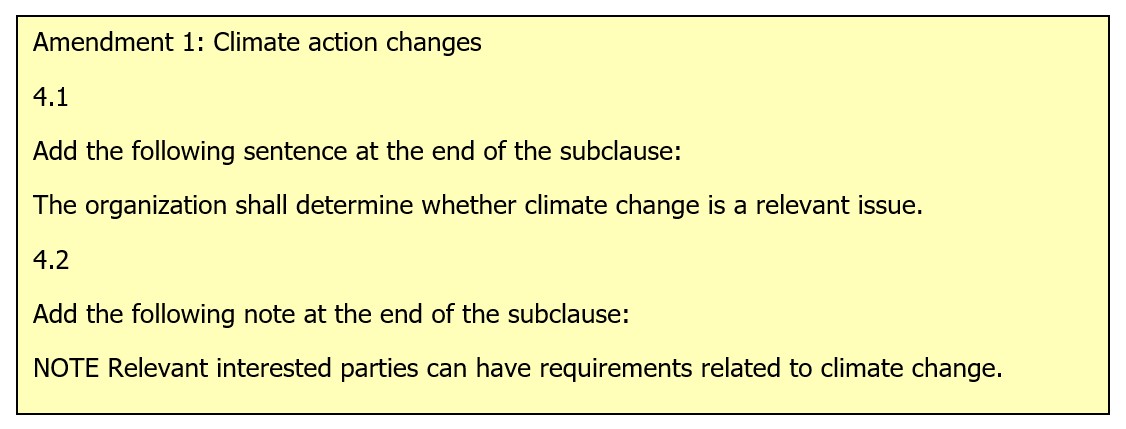
Amendment 1: Climate action changes is an update to include actions to address climate change in the management standards. This change responds to increasing demands for sustainability and corporate responsibility towards the environment and society at large. The update provides guidance and requirements for
- Climate Impact Assessment: assessing the environmental impact of an organisation's activities and adapting processes accordingly;
- Risk management: integrating climate risks into strategic planning and risk management;
- Innovation and sustainability: supporting innovation aimed at sustainable development and minimising the environmental footprint.
Implications for ISO 9001, ISO 14001 and ISO 45001
 ISO 9001: Quality Management Systems
ISO 9001 is an international standard for quality management systems that focuses on customer satisfaction and effective process management. Companies will have to:
- Incorporate environmental criteria into quality management: this may include assessing suppliers for compliance with environmental standards and the use of environmentally friendly materials.
- Analyse the environmental impact of their products: this includes the stages from design to the end of the product life cycle to minimise the environmental footprint.
- Integrate sustainability into quality policies and objectives: companies should define and monitor metrics related to waste reduction and resource efficiency.
ISO 14001: Environmental Management Systems
ISO 14001 provides a framework for developing an effective environmental management system. The revision requires companies to:
- Identify and manage climate risks: develop strategies to manage climate risks that may affect the business.
- Change approach to energy use: assess opportunities to use renewable energy sources and optimise energy efficiency.
- Training and awareness: provide training to employees to ensure they are aware of climate change and its impact on the business.
ISO 45001: Occupational health and safety management systems
ISO 45001 is a standard for managing health and safety in the workplace. The amendments require organisations to
- Assess the impact of weather conditions on occupational safety: this may include adapting working conditions in response to extreme weather events.
- Integrate climate considerations into health and safety systems: develop health and safety management procedures that take climate risks into account.
- Update emergency procedures: review and update emergency response procedures in the light of climate change.
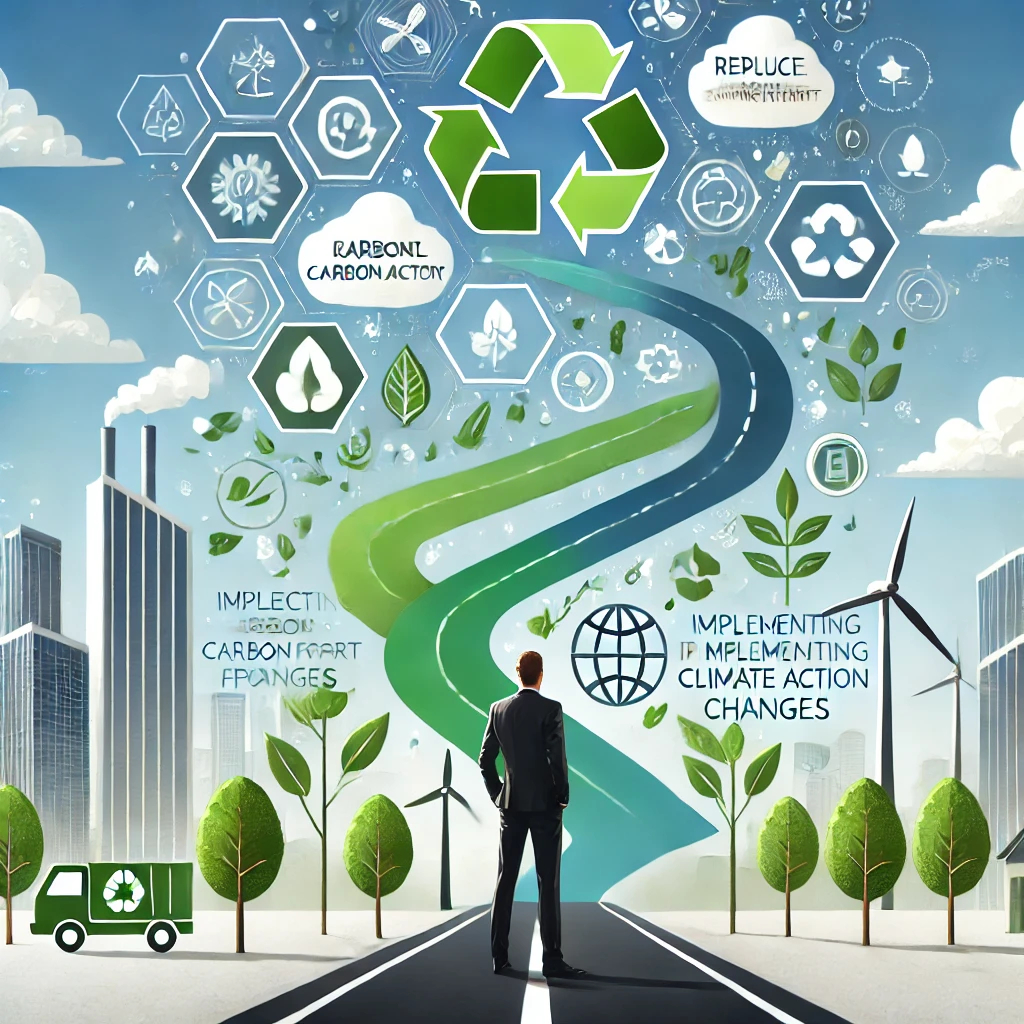 Practical steps to implement changes
- Carry out an internal audit: assess the current state of management systems and identify areas for improvement in the context of change.
- Develop an action plan: define specific objectives, responsibilities and resources needed to meet the requirements of the updated standards.
- Train staff: provide training to increase awareness and understanding of climate change and its impact on the business.
- Monitoring and reporting: develop a system for monitoring performance and reporting regularly to senior management and stakeholders.
- Partnership and collaboration: establish partnerships with other organisations to share best practice and innovation in sustainability.
The update of ISO standards through Amendment 1: Climate action changes is an important step in integrating sustainable practices into business. Companies that successfully adapt to these changes will not only comply with modern environmental requirements but will also strengthen their competitiveness and sustainability in the long term. It is time for business to take the lead in the fight against climate change and demonstrate its commitment to sustainable development.
Implementation of management standards
CONSEJO Ltd. is a consulting company with over 20 years of practical experience in the development, implementation and maintenance of management systems in accordance with international standards and regulatory requirements. The company provides consulting services in the areas of quality management, environmental management, occupational health and safety, food safety, information security, cybersecurity, risk management and sustainable development. Our expertise covers standards and schemes such as ISO 9001, ISO 14001, ISO 45001, ISO 22000, ISO/IEC 27001, IFS Food, BRCGS and HACCP, as well as consulting services related to NIS2, DORA, GDPR and EcoVadis.
The CONSEJO team has been involved in over 1,500 projects for organizations across various sectors of the economy, including manufacturing, construction, energy, information technology, transport, trade, the food industry and services. Our approach focuses on developing management systems that work effectively in practice, tailored to the specific characteristics and needs of each organization. We work closely with our clients, providing consulting support, staff training and assistance during implementation. We strive to deliver high-quality services within the agreed deadlines and solutions that support successful certification and create long-term value for businesses.


