
ESG: Environmental, Social and Responsible Governance
The Council of the EU has agreed on its position on the European Commission's proposal for a Directive on corporate sustainability reporting. The draft directive under discussion will complement the European strategy for sustainable finance and will enter into force in 2024.

Companies with more than 250 employees or those whose securities are traded on regulated markets will have to turn their environmental, social and management policies into standardized, substantiated and validated documents. This is also necessary because investors want companies not only to demonstrate financial results, but also to be able to show how they were achieved. It is now believed that the results depend not only on the successful management of a business, but also on whether it is sustainable.
We are used to talking about the footprint of business on the climate. The biggest organizations have been setting the tone since a decade ago, and not just for prestige. They will now also need to report information on global supply chains, issues such as forced and child labour, and compliance with internationally recognized labour, social responsibility and governance principles and frameworks. All information will be audited and digitally tagged to be included in the European single data access system foreseen in the Capital Markets Union Action Plan.
This is how ESG - Environmental, Social, and Governance - tools appear, which address the three key factors that are taken into account when assessing the sustainability of an organization. The ESG framework provides a comprehensive overview of a company's impact on society and the environment:
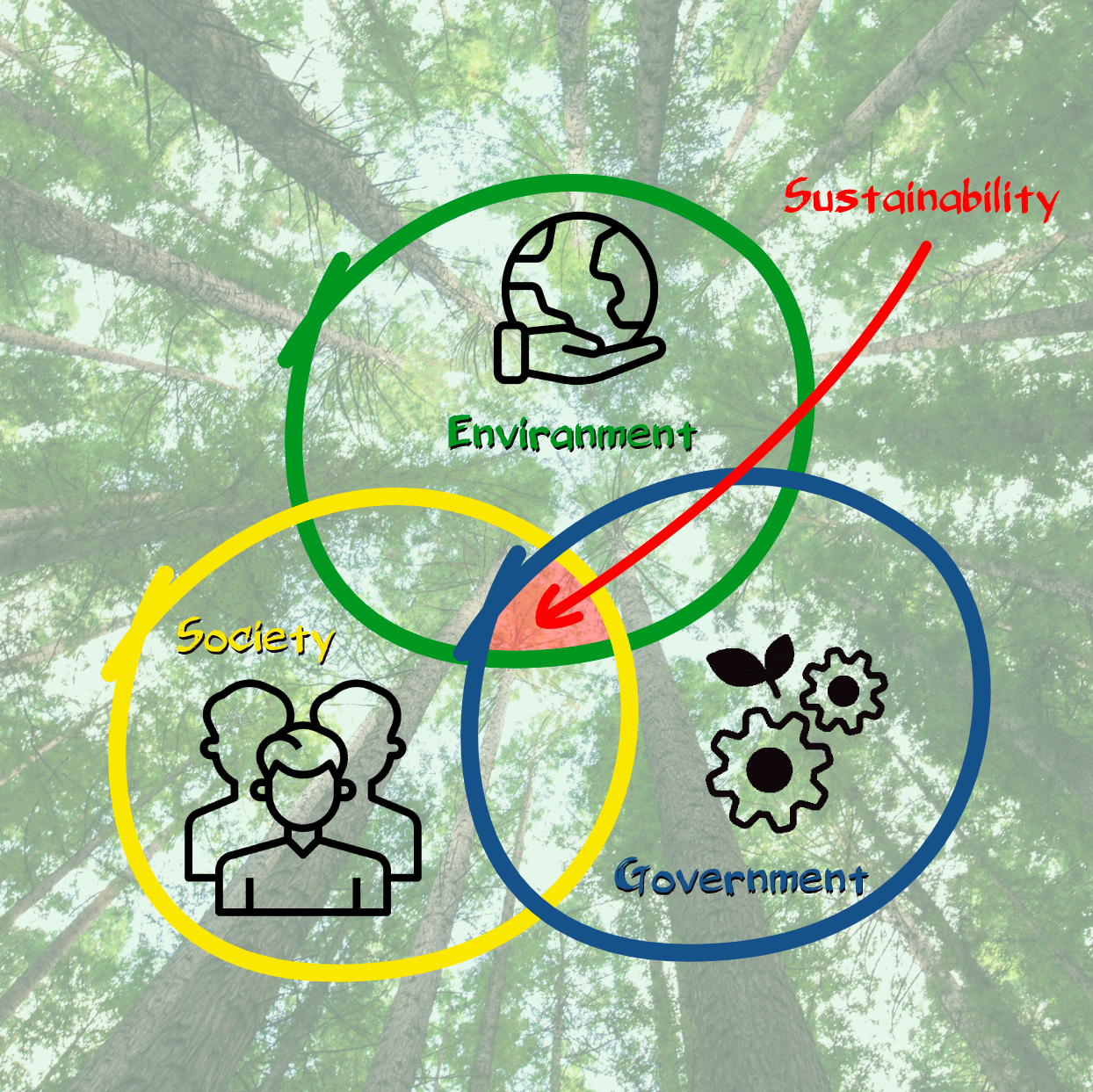
- environmental factors (E) examine the company's impact on the environment, including its carbon footprint, waste generation and management, and use of resources such as water and energy;
- social (S) factors consider a company's relationships with its stakeholders, including employees, customers, and the communities in which it operates. This includes issues such as workplace safety, diversity and inclusion, human rights, product safety and ethical treatment of others;
- governance (G) focuses on the leadership, management and organizational structure of the company. This includes factors such as top management composition, executive pay and transparency of company decision-making processes.
- The EU Non-Financial Reporting Directive - Directive 2014/95/EU requires companies registered in the European Union to report on their environmental and social performance, including information on their environmental, social and governance practices;
- Task Force on Climate-Related Financial Disclosure (TCFD) – The TCFD is a set of global guidelines for companies to report on their climate-related risks and opportunities. The guidelines are designed to help companies provide more consistent and comparable information to investors about the financial impact of climate change;
- Sustainability Accounting Standards Board (SASB) – The SASB provides industry-specific sustainability accounting standards for US companies. These standards help companies report their ESG performance in a standardized and consistent manner, making it easier for investors to compare the ESG performance of different companies in a given industry;
- The Global Reporting Initiative (GRI) - The GRI is a widely recognized ESG reporting framework that provides guidance for companies to report on their ESG performance, including information on their environmental, social and governance practices.
CONSEJO offers consulting and know-how to implement ESG principles in your organization's management systems. Our team can assist in structuring and developing the relevant systems, documents and reports to meet ESG requirements, building a sustainable business that future generations will trust.
Implementation of management standards
CONSEJO Ltd. is a consulting company with over 20 years of practical experience in the development, implementation and maintenance of management systems in accordance with international standards and regulatory requirements. The company provides consulting services in the areas of quality management, environmental management, occupational health and safety, food safety, information security, cybersecurity, risk management and sustainable development. Our expertise covers standards and schemes such as ISO 9001, ISO 14001, ISO 45001, ISO 22000, ISO/IEC 27001, IFS Food, BRCGS and HACCP, as well as consulting services related to NIS2, DORA, GDPR and EcoVadis.
The CONSEJO team has been involved in over 1,500 projects for organizations across various sectors of the economy, including manufacturing, construction, energy, information technology, transport, trade, the food industry and services. Our approach focuses on developing management systems that work effectively in practice, tailored to the specific characteristics and needs of each organization. We work closely with our clients, providing consulting support, staff training and assistance during implementation. We strive to deliver high-quality services within the agreed deadlines and solutions that support successful certification and create long-term value for businesses.


